Facebook
 X
X
 Pinterest
 Copy Link
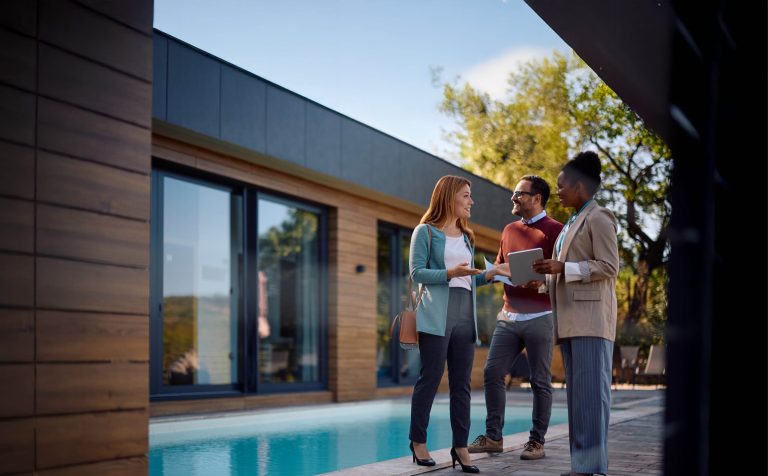
Before buyers consider square footage or storage space, they are often forming opinions about finishes, layouts and design choices. While some classic details always hold their appeal, other features immediately come across as outdated – even if the home has been meticulously maintained. The good news is that many of these elements can be refreshed with thoughtful, cost-effective upgrades for a more current, inviting and move-in-ready feel.
Heavy Ornamental Details
Intricate styling that was once deemed luxurious can now appear visually overwhelming. Excessive crown molding, ornate cabinets and highly decorative columns may make spaces seem weighted down and less open than today’s preferred aesthetic. Buyers are increasingly drawn to clean lines, lighter materials and interiors that are airy and adaptable.
Dark Wood Cabinetry
Rich cherry and espresso cabinetry dominated kitchens for years, but these darker finishes tend to be associated with older trends. White cabinets, warm neutrals and natural wood elements resonate more strongly with potential buyers. Even restaining or repainting cabinets can significantly liven up your kitchen for a big impact.
Granite Countertops With Busy Patterns
Although granite is still considered a positive selling point, speckled or patterned varieties can quickly date a kitchen or bathroom. Today, surfaces with softer movement and a streamlined look are in demand. Quartz countertops with subtle veining continue to gain popularity, appealing to the widest range of buyers.
Wall-to-Wall Carpeting
Carpeting throughout the home – especially in main living areas – is one of the first things buyers mentally place on their future renovation list. Hardwood flooring, engineered wood and luxury tile are now favored for their durability, appearance and easy upkeep. Replacing worn carpet in high-visibility areas can make a significant difference.
Closed-Off Floor Plans
Formal rooms separated by multiple walls were once very desirable, but many active buyers prefer homes with better flow and connection between living spaces. Open-concept kitchens and gathering zones remain especially attractive because they support entertaining, everyday living and natural light throughout.
Themed Décor
Tuscan-inspired kitchens, farmhouse overload, mirrored accent walls and themed interiors can instantly make a property feel tied to a specific era or one-time fad. Simple styling, updated lighting and balanced finishes help buyers focus on the residence itself rather than the previous design trend it reflects.
Popcorn Ceilings and Textured Walls
Heavy wall textures and popcorn ceilings are among the most commonly recognized outdated elements. Smooth walls and ceilings create a cleaner, more contemporary appearance that photographs better and caters to a broader audience.
Outmoded Bathrooms
Large soaking tubs with decorative tile borders, glass block walls, ornate vanities and older hardware can signal that a home has not been updated in years. New mirrors, faucets and paint can make the space feel significantly more modern for a relatively small cost.
Technology Gaps
Limited outlets, insufficient storage for devices or vintage thermostats may subtly – and negatively – affect how functional a property seems. Smart features, upgraded charging access and convenient lighting controls are more aligned with prevailing buyer expectations.
Not every property needs a complete renovation before going on the market. The goal is not to erase all personality or character. Instead, it is about presenting a home that buyers can envision as their own. When a property is fresh, stylish and move-in ready, the result is stronger interest, faster offers and a quicker sale.